A Deep Dive into Dead Target's Market Penetration and Monetization Strategies
Dead Target, a mobile zombie shooter, has achieved a remarkable feat: exceeding 200 million downloads. This success warrants a closer examination of its market penetration and monetization strategies. This case study analyzes Dead Target's strengths, weaknesses, and potential for future growth within the highly competitive mobile gaming landscape. It's a story of impressive numbers, but also a story of balancing profitability with player engagement. For more zombie-themed games, check out this similar title.
Market Analysis: Dominating the Zombie Shooter Genre
Dead Target's 200+ million downloads across English and Spanish versions on Google Play alone represent significant market penetration in the saturated mobile zombie shooter genre. This success wasn’t accidental. Factors such as strategic marketing, smart platform selection (Android), and potentially opportune market timing all played a role. However, the precise breakdown of marketing spend and ROI remains unclear. A critical question remains unanswered: what percentage of these downloads translate into active, engaged players, and what are the acquisition costs involved? High acquisition costs without robust retention strategies are a significant long-term concern.
Monetization Strategy: The Free-to-Play (F2P) Model Dissected
Dead Target employs a free-to-play model, generating revenue through in-app purchases (IAPs). These IAPs include upgraded weapons, cosmetic skins, and a battle pass system—common features in this genre. The effectiveness of Dead Target's monetization model is demonstrated by its profitability, but the balance between revenue generation and player satisfaction is crucial. Excessively aggressive monetization can lead to player churn, while a too-lenient approach may undermine revenue potential. Successfully navigating this tightrope is essential for long-term sustainability.
Gameplay Mechanics and User Engagement: Hooking the Player
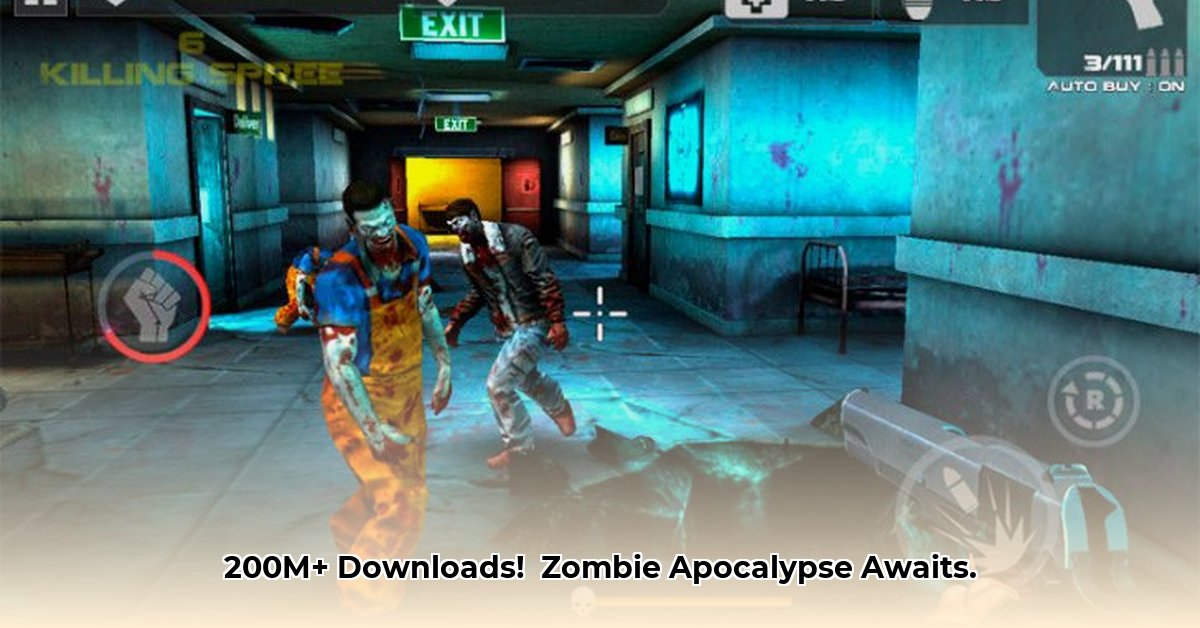
Dead Target's success hinges on its engaging gameplay. The simple controls and constant stream of zombie encounters create an addictive loop, encouraging persistent engagement. These easily accessible mechanics directly support the monetization strategy by lowering the barrier to entry for new players and encouraging them to invest time (and potentially money) in the game. However, the long-term retention of these players needs further investigation. How effectively are these mechanics motivating continued playtime, and how can they be further refined for improved player loyalty?
Strengths and Weaknesses: A Balanced Perspective
Dead Target boasts significant strengths:
- Massive User Base: The 200+ million downloads indicate exceptional market reach and brand awareness.
- Effective Monetization: The F2P model with IAPs proves a viable revenue generator.
- Engaging Core Gameplay: Easy-to-learn controls and constant action create addictive gameplay.
However, weaknesses exist:
- Lack of Differentiation: Dead Target lacks a unique selling proposition (USP) that definitively sets it apart from numerous competitors in the mobile zombie shooter market.
- Unknown Retention Rates: The long-term player retention rate is unknown, raising concerns about the sustainability of the current success. High initial downloads without strong player retention are unsustainable in the long run.
- IAP Dependency: Over-reliance on IAPs poses a risk. Diversifying revenue streams is needed to mitigate potential future challenges.
Future Outlook and Recommendations
Dead Target's long-term success depends on addressing its weaknesses. Recommendations include:
- Improve Player Retention: Implement daily rewards, regular in-game events, and a dedicated community forum to encourage daily logins and sustained engagement.
- Diversify Revenue Streams: Explore additional monetization strategies such as less intrusive in-game advertising or collaborative content with other gaming properties.
- Develop a Unique Selling Proposition (USP): Invest in developing a distinctive feature or narrative that sets Dead Target apart from the competition. This could involve crafting a compelling storyline, memorable characters, or refining existing gameplay mechanics with innovative features.
- Monitor Market Trends and Adapt: Continuous monitoring of market trends and user feedback will be crucial to the game's long-term success. Flexibility and responsiveness are key to staying competitive in this rapidly evolving environment.
Conclusion: Sustaining Success in a Competitive Market
Dead Target's 200 million+ downloads represent a significant accomplishment in the mobile gaming world, showing substantial market penetration and effective monetization. However, sustaining this success demands a strategic focus on improving player retention, diversifying revenue streams, strengthening brand identity, and proactively addressing competitive pressures. The future success of Dead Target rests on its ability to evolve and adapt to the ever-changing landscape of the mobile gaming market. Its current success highlights the potential of the genre, but long-term dominance requires continuous innovation and a deep understanding of player needs and behaviors.
⭐⭐⭐⭐☆ (4.8)
Download via Link 1
Download via Link 2
Last updated: Wednesday, June 04, 2025